POS System for Grocery Store: The Influence of Point of Sales Systems on Sales Reporting and Analytics
Simple POS System: A Sales Management Solution Designed To Simplify Transactions For Small Enterprises
Features and Benefits
When diving into the world of a Point Of Sales System for small company, it's not practically ringing up sales. What really sets these systems apart is the abundant tapestry of features woven into their style, each crafted to elevate the everyday grind of a small company owner. Picture a tool that not only tracks sales but also reads the pulse of your inventory like a skilled detective. Interesting, right?
Core Functions That Transform Daily Operations
- Inventory Management: Gone are the days of frenzied stock checks. Modern POS systems automatically upgrade your stock, signaling you when items run low. It's as if your system whispers, "Hey, time to reorder!" before you even understand it.
- Sales Reporting: Numbers can be overwhelming, however a good POS system presents sales data in clear, absorbable formats. Charts, graphs, and real-time dashboards make it easy to identify trends and make informed choices.
- Worker Management: Scheduling shifts and tracking hours end up being seamless. This function not only saves time however decreases human mistake, a consistent thorn in the side of small company owners handling numerous hats.
- Client Relationship Management (CRM): Envision understanding your customers as well as your buddies. POS systems can keep consumer preferences and purchase history, making it possible for personalized marketing that feels authentic, not required.
Advantages That Speak With the Heart of Small Company Requirements
Why do these functions matter? Because behind every transaction is a story, and a well-designed POS system assists you tell it much better. It's not practically effectiveness; it's about empowering you to concentrate on what genuinely matters-- your clients and growth.
| Function | Benefit | Impact on Organization |
|---|---|---|
| Real-time Inventory Updates | Prevents stockouts and overstocking | Improves money flow and customer fulfillment |
| Comprehensive Sales Analytics | Determines very popular items and peak hours | Informs marketing and staffing techniques |
| Integrated Payment Processing | Accelerate checkout and decreases mistakes | Improves client experience and builds trust |
| Consumer Data Management | Allows targeted promos and loyalty programs | Increases repeat organization and client retention |
Ever Wondered How This Plays Out in Reality?
Photo a charming coffee shop owner, managing orders during a morning rush. The POS system not just processes payments swiftly however notifies her to a decreasing supply of her signature beans. She reorders flawlessly, preventing a client dissatisfaction. Little moments like this, powered by smart technology, end up being the unsung heroes of business success.
Could your little service love a tool that feels more like a partner than simply a device? The ideal Point Of Sales System doesn't simply deal with deals-- it informs the story of your service, opening potential hidden in daily information.
Checking out the Kinds Of Point Of Sales Systems for Small company
Envision walking into a bustling café, the barista balancing orders while the register sings the song of seamless deals. Behind that harmony lies the option of a POS system, customized to fit the rhythm of the organization. However what kinds of systems truly empower small companies to thrive? Let's dissect the landscape.
1. Conventional POS Systems
These are the sturdy old-timers, frequently hardware-heavy and locally installed. They boast robust performance however often feel like carrying a typewriter into the digital age. While they use dependability, their rigidity can trip up companies yearning agility and remote access.
- Pros: Fast processing, offline capability, extensive inventory management.
- Cons: Initial hardware financial investment, limited versatility for scaling or movement.
2. Cloud-Based POS Systems
Think about these as the nimble acrobats of the POS world. Cloud-based systems operate through internet, allowing entrepreneurs to manage sales and inventory from essentially anywhere. This flexibility, however, dances in tandem with reliance on stable web connections-- a double-edged sword for some.
- Advantages: Real-time updates, scalability, combination with multiple gadgets.
- Downsides: Vulnerability during web interruptions, continuous subscription charges.
3. Mobile POS Solutions
Have you ever stood in line at a farmer's market, viewed a vendor ring up sales on a tablet, and questioned how that magic happens? Mobile POS systems turn smartphones and tablets into potent sales tools. They shine in environments where movement and versatility overshadow the requirement for large terminals.
- Perfect for pop-ups, food trucks, and small retail stores.
- Incorporates with payment entrances and supports fast checkouts.
- Bear in mind: Smaller screen sizes can often restrict innovative stock tracking.
4. Self-Service Kiosks
Automation actions in with self-service kiosks, changing client interaction. While more common in larger setups, small companies checking out ingenious consumer engagement may think about scaled-down versions.
- Minimizes wait times and frees personnel for other tasks.
- Requires thoughtful UX design to avoid user aggravation.
| Type | Best Matched For | Key Feature | Prospective Limitation |
|---|---|---|---|
| Standard POS | Established brick-and-mortar stores | Offline deals | Hardware costs |
| Cloud-Based POS | Services requiring remote access | Real-time information syncing | Internet dependence |
| Mobile POS | Mobile vendors and pop-ups | Mobility | Limited screen area |
| Self-Service Kiosks | Customer-centric environments | Automation | Design intricacy |
Do you ever question why some little services seem to move easily through their sales process while others stumble over easy tasks? The kind of POS system picked often fixes a limit between smooth cruising and functional headaches. Selecting a system without considering the specific workflow can cause missed out on sales or inventory mayhem. For instance, a flower shop managing seasonal products may discover conventional inventory modules POS System for Salons clunky, whereas a cloud-based setup uses vibrant updates and multi-device gain access to.
Pro suggestion: Delve into the subtleties of integration abilities. A POS system that syncs with your accounting software application and inventory management can conserve hours of manual labor weekly. Remember, the goal is to simplify. If the system feels like a barrier, it most likely is.
Execution and Setup
Think of standing in your little shop, surrounded by curious customers, while your brand-new Point of Sales System blinks quietly on the counter. The adventure of modern technology meets the reality of getting it up and running. However how does one leap from the enjoyment of purchase to seamless operation?
Establishing a POS system for small company isn't almost plugging in hardware and clicking through software prompts. It's an elaborate dance, where every action needs to be accurate to avoid hiccups that ripple through day-to-day operations.
Secret Steps to a Smooth Setup
- Stock Combination: Before you scan your first item, ensure your inventory database is tidy and extensive. Duplicate entries or missing out on SKUs can trigger mayhem throughout deals.
- Hardware Configuration: Link peripherals like barcode scanners, invoice printers, and cash drawers thoroughly. Pay attention to USB port tasks and driver setups-- an ignored information here can stall your workflow.
- User Gain Access To Levels: Specify clear functions within the system to avoid accidental overrides or unauthorized refunds. A well-structured user hierarchy secures your sales data's stability.
- Tax and Prices Guidelines: Tailor tax rates and discount structures to reflect regional regulations and your promotional plans. Automated computations prevent expensive manual errors.
- Test Deals: Run multiple situations mimicking genuine sales to determine any problems or bottlenecks. Do not undervalue this action-- it conserves headaches later.
Expert Tips for Effective Application
- Backup existing sales and stock information before migrating to the brand-new system, simply in case.
- Usage batch import functions for stock data; manual input is a recipe for errors.
- Think about the workflow from both the cashier's and the consumer's perspective when organizing your checkout user interface.
- Label cable televisions and devices throughout setup to simplify troubleshooting and future upgrades.
- Arrange installation during off-hours to avoid disrupting peak service times.
Typical Setup Snags to View For
| Concern | Impact | Avoidance |
|---|---|---|
| Incorrect tax settings | Overcharging or undercharging consumers | Verify regional tax codes and upgrade system appropriately |
| Hardware incompatibility | Peripheral gadgets stop working to operate | Check device compatibility before purchase |
| User authorization mistakes | Unauthorized access or accidental data removal | Set stringent access controls and audit frequently |
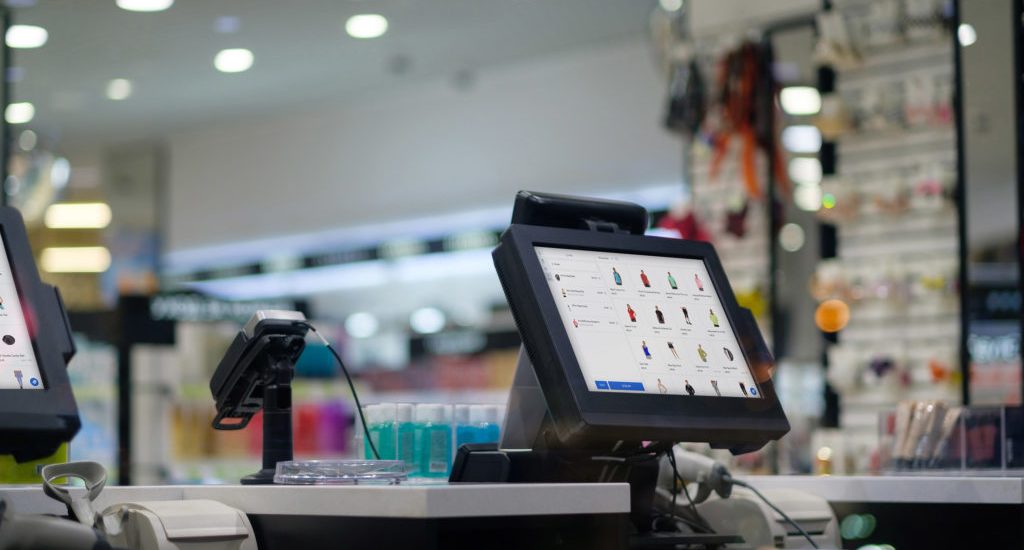
Have you ever questioned why some POS setups feel user-friendly while others appear to journey you up at every turn? The secret depend on expecting the unseen snags and crafting your setup with foresight. A well-executed application not just accelerates sales but changes your small company's daily rhythm into a streamlined symphony.
Security and Compliance Considerations
Picture waking up one morning to discover your point of sales system has been breached overnight. Consumer information exposed, deals jeopardized, and your small company's credibility teetering on the edge. It's a scenario no business owner wishes to deal with, yet numerous ignore the subtle vulnerabilities that lurk in their POS facilities.
At the heart of every protected POS system lies encryption. Not just any encryption, however end-to-end encryption that scrambles cardholder information from the minute it's swiped until it reaches the payment processor. Without this, delicate information can fall victim to cyber eavesdroppers or hackers prowling in the network shadows.
Secret Security Practices to Strengthen Your POS
- Routine software updates: Out-of-date software application is like leaving your backdoor wide open. Regular updates spot newly found vulnerabilities that cybercriminals are quick to make use of.
- Strong authentication protocols: Usage multi-factor authentication any place possible. A basic password will not cut it anymore-- layered security is the brand-new standard.
- Network segmentation: Keep your POS system separated from other organization networks. This separation restricts the spread of malware and unapproved access.
Compliance isn't practically ticking boxes-- it's a non-negotiable framework that ensures you're dealing with payment information properly. The Payment Card Industry Data Security Standard (PCI DSS) is typically regarded as the gold requirement for POS compliance, however little businesses frequently ignore the depth of its requirements.
Did you know that saving cardholder information beyond what's absolutely necessary can immediately put you out of compliance? Many small organization owners unconsciously keep deal logs with delicate information for benefit, unintentionally inviting regulative scrutiny.
Compliance Checklist for Small Service POS Systems
| Requirement | Why It Matters | Pro Idea |
|---|---|---|
| Secure transmission of cardholder information | Avoids interception throughout payment processing | Use TLS 1.2 or higher for safe and secure interaction |
| Keep a secure network | Blocks unauthorized access efforts | Modification default system passwords immediately after setup |
| Execute access controls | Limits who can see or process payment data | Appoint role-based approvals tailored to job functions |
| Screen and test networks frequently | Finds breaches before they become catastrophic | Arrange quarterly vulnerability scans and penetration tests |
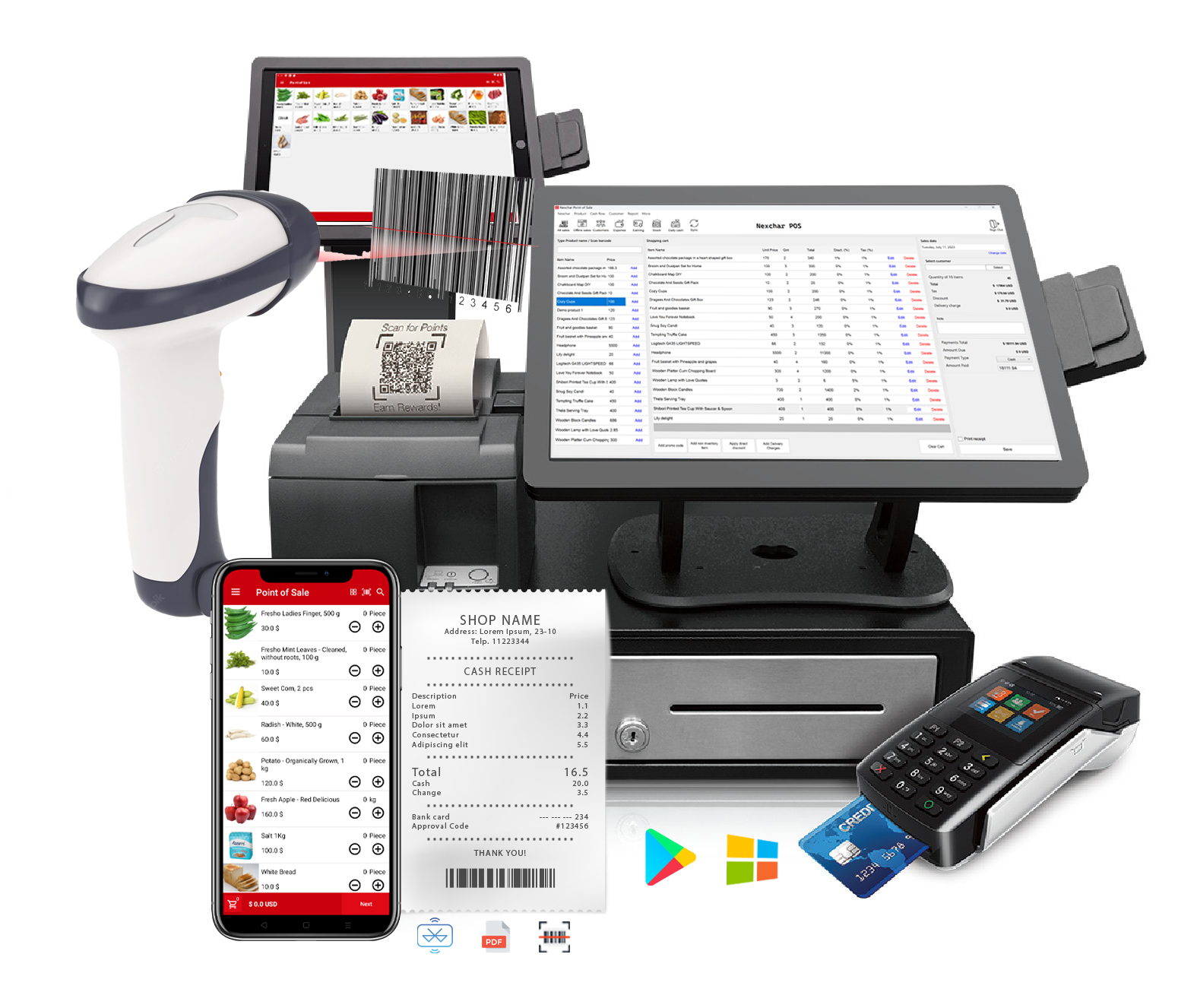
Ever wondered why some small organizations recover rapidly after a security scare, while others fall apart? The distinction depends on proactive procedures and understanding the subtle complexities of point of sale security. Easy steps like disabling unused services on your POS device can dramatically decrease exposure.
Keep in mind that compliance is a moving target. Laws develop, cyber dangers mutate, and what was secure the other day might be outdated tomorrow. Stay curious, stay watchful, and never ever presume your system is too small to be discovered.